

Still Justifying
Missing a client deadline is manageable. Missing one you set yourself is a different thing. An honest look at the loop of justifying — and the question I can't quite answer yet.
Missing a client deadline happens, and it's manageable. You ask for an extension, give a heads up, move on. No grief. That's part of the work.
Missing a deadline you set for yourself is a different thing entirely.
I set a date to publish my first preliminary house plan. I missed it. And then I started justifying.
The full-time job is demanding — I'm carrying four projects right now, which is a big deal coming back into a PM role after some time away. I've been closing inefficiencies, building better spreadsheets, automating reports that piece together information that used to be scattered. Real work. Legitimate reasons.
I caught myself mid-sentence. I'm justifying again.
Here's the thing about justifying to yourself: it can look exactly like self-awareness. You're evaluating, right? You're being honest about priorities. The income from the full-time role makes the side project possible — of course that comes first. Rational. Reasonable.
But there's a moment when you realize you've been explaining your way around the same thing three times. That's not reflection anymore. That's avoidance with a narrative.
The side project reality isn't dramatic. A handful of RSS subscribers. No traffic to speak of. No inquiries. But it's not nothing either. The sketches exist. The stages are documented. The process is evolving — even when the output isn't visible yet. Execution, when you've never launched a product, is actually evolution.
That doesn't silence the other question. Is my heart in this?
I don't have a clean answer. The demands of the full-time job are real, and they're pulling. Some weeks the side project gets whatever's left at the end, which isn't much. And in that space — tired, behind, staring at a deadline you already missed — it's hard to know if the doubt you're feeling is a signal or just noise.
Self-sabotage is a bitch. Especially when it comes dressed up as honest evaluation.
So I'll ask: do you keep your side projects going? What does that actually look like for you?

Who's Buying the Housing That's Left
Investors bought one in three single-family homes sold in 2025. 87 percent of them are small investors — not institutions. I almost became one. This is what the math looks like when you follow it all the way.
After the last post, I went back to Zillow to gut-check the argument.
I ran the qualifying tool on the scenario we've been talking about — a household solidly in the middle: above the income threshold for assistance, below what new construction actually requires. A $250,000 qualifying price. Monthly payment around $1,700 to $1,800 on a 30-year fixed. I'm in that range, and so is a lot of the country. For a few minutes the math looked closer than I expected.
Then I applied the filter that doesn't show up in any affordability index.
School district.
The homes available at $250,000 — more of them than I expected — weren't in the districts worth moving a family into. The homes in the right districts were $350,000 to $400,000, minimum. And when I looked at what those homes rent for — same rooms, same location, same school catchment — the number was $2,000 to $3,000 a month.
The indexes measure income against median price. They don't measure what it costs to rent the home you can't afford to buy, in the location you actually need. I'm not being asked to pay less to rent than to own. I'm being asked to pay a premium for the privilege of not owning — in the zip code that actually works.
The Correction I've Been Waiting For
I've been through this three times. 1988. The dot-com bust. 2008. Each time the market reset and people like me could get back in. I benefitted from 2008 directly — sold my raised ranch at $135,000, bought a two-story at $185,000. The correction gave me the rung.
My optimism that it happens again isn't wishful thinking. It's pattern recognition from lived experience.
But every previous correction had the same mechanism: forced selling. Overleveraged homeowners. Foreclosures flooding the market. Banks liquidating distressed assets. Prices reset because people who had to sell were selling.
The entity that bought those foreclosed homes in 2009 and 2010 — Blackstone, Invitation Homes, American Homes 4 Rent — doesn't have to sell. Long-term debt structures. No paycheck needed next month. No margin call. Those homes were converted from for-sale inventory to permanent rentals. They haven't come back and they won't. The mechanism that drove every correction I've experienced doesn't apply to the holders who accumulated since.
The correction I've been waiting for may not come. Not because the market is healthy. Because the forced-selling trigger has been removed.
Who's Actually Buying
In 2025, investors bought 33 percent of single-family homes sold in the United States. One in three. A five-year high.
When you read about institutional investors and housing, the number usually cited is the nationwide ownership share — large institutional buyers own less than two percent of the 86 million single-family homes in this country. That number is accurate. It's also misleading about where the concentration actually lands.
Because 87 percent of investor-held single-family homes are owned by small investors holding between one and five properties.
I was scrolling through listings and noticed that half the available homes were sitting empty. Not because original homeowners moved out. Flippers. Remodelers. People who bought the worst house in a decent neighborhood, put money into it, and listed it back at a higher floor. The entry point that used to exist for first-time buyers into good neighborhoods is now primarily an investor play. The rung got monetized before you got there.
I Caught Myself
My plan, working through all of this, was to buy something and hold it as a rental. The math made sense — rent it out, cover the mortgage, build equity while I wait for the market to let me move up. I even looked at Arrived, a platform that lets you buy fractional shares in single-family rental properties. I understand the logic because I was running the same logic.
Then I caught myself.
Not because the decision is wrong exactly. Because I would be joining the 87 percent. Every individual decision is rational. Every person running that calculation is responding correctly to the incentives in front of them. The aggregate of those rational decisions is the system that moves the floor.
I almost contributed to it. I still might. The math still makes sense for me personally. That's exactly the point.
The ROAD Act and What It Tells You
The 21st Century ROAD to Housing Act passed the Senate in March 2026. The argument: restrict institutional investor purchases of single-family homes, redirect capital toward for-sale construction. Senator Moreno named it plainly on the Senate floor: "Every home built for rent in Ohio is one less home available for purchase, fueling fiercer competition and driving up prices even higher for everyone else."
The argument is correct.
NAHB — the National Association of Home Builders — flipped. They were prepared to support the bill, then reversed when the seven-year sell-off provision stayed in. That clause would require build-to-rent investors to eventually put homes back on the for-sale market. NAHB's stated objection: it would reduce investment in single-family rental housing and cut production by roughly 40,000 units per year.
Their exact words: "Blaming investors for the high cost of housing is a distraction."
The homebuilders' lobby is defending the system that keeps homes from being built for sale. NAHB members build build-to-rent communities. The seven-year rule threatens that revenue stream. Their concern about housing supply is real — it's supply of rental units, not for-sale homes. When the choice had to be made, that's where they landed.
The bill is in House-Senate conference now. Even a clean passage redirects future capital. It doesn't recover the 17 million investor-held homes already converted to rentals. It doesn't bring back inventory that permanently left the for-sale market over the last 15 years. And it doesn't touch the 87 percent — the aggregate of individual rational decisions, including the one I've been sitting with.
The rental property plan is probably wishful thinking.
The same appreciation that would make a $250,000 home a good investment is the same floor rising that prices me out of the next step. The equity builds on paper. The tax assessment rises. The insurance rises. And somewhere in that plan is the assumption I haven't examined hard enough — that the income holds, the timing works, the next rung stays close enough to reach.
That assumption is exactly what the structural argument in the last post said out loud: the aspiration is the same one it's always been. The floor beneath it has moved.
I might just need to be happy with what I have.
That isn't defeat. That's what the math leads to when you follow it all the way. The ROAD Act targets the 2 percent that's visible. The 87 percent — the aggregate of individual decisions, mine included — continues unaffected. The distraction the homebuilders named is the distraction the system runs on. Every person inside it learns the same lesson eventually: the rational move for you is the move that makes it harder for the next person.
At some point the most honest thing is to stop reaching for the rung that just moved.
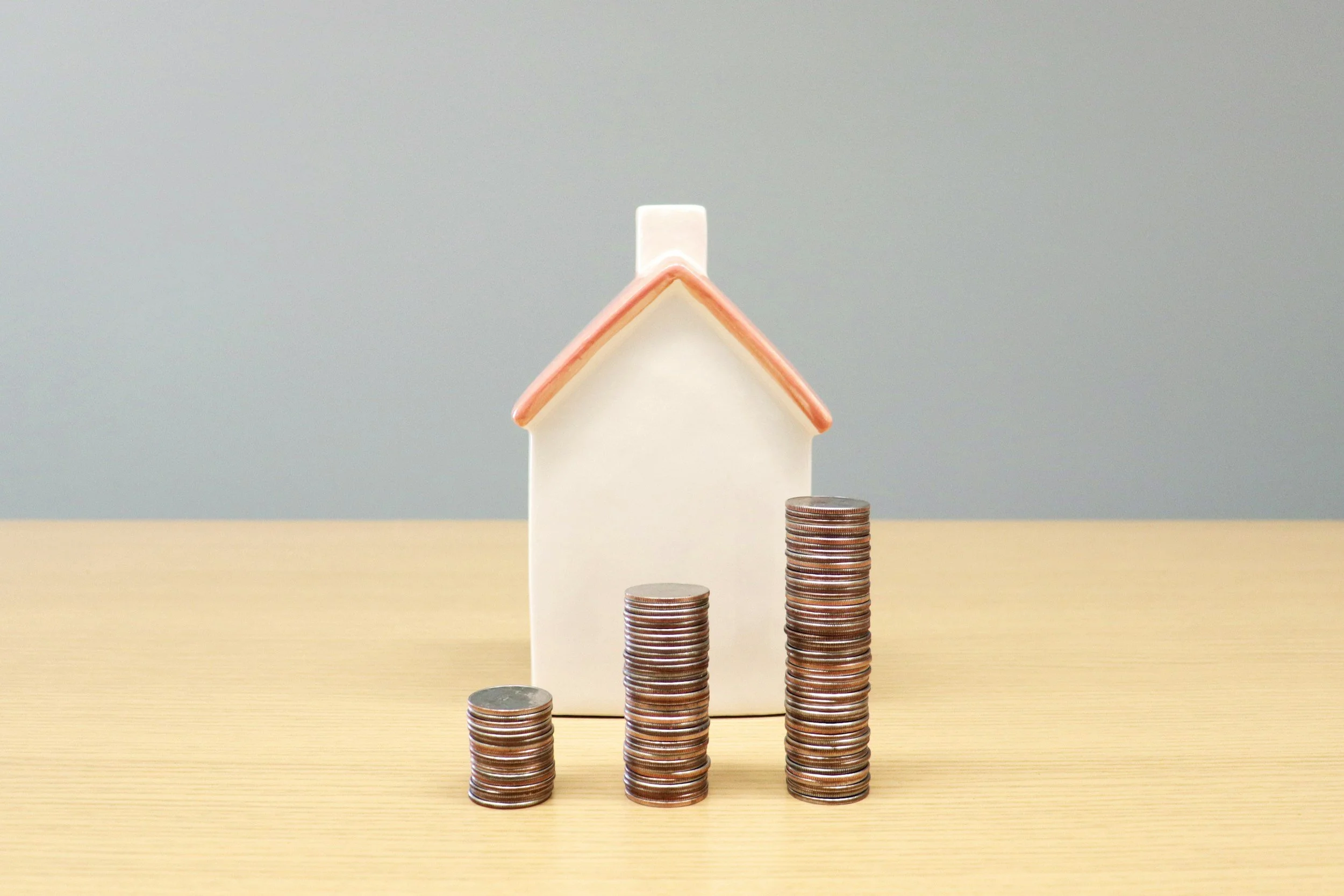
The Housing Affordability Gap
The median first-time buyer is now 38 years old. The monthly payment on the median home has more than doubled since 2019 while incomes grew 20%. This is a structural problem — and this is what it looks like from the inside.
I design homes for a living. Thirty years of it. I know what a $250,000 home costs to build, what it takes to finance, and what it should deliver for a family.
I'm renting a two-bedroom apartment for $1,500 a month.
Not because I haven't tried. Not because I'm waiting for something better. The home I can qualify for — the price point where a mortgage payment becomes an honest trade for what I'm paying in rent — is around $250,000. That home is essentially not on the market. When it appears, it disappears. What's available is priced well above what I can qualify for, and the gap between those two numbers is not closing.
If this is true for someone who works in this industry — who reads construction bids and floor plans the way other people read menus — what does it mean for everyone standing below that line?
The Number That Tells the Whole Story
68% of American households cannot afford the median new construction home. That's not a rounding error. That's two out of three households priced out entirely.
The broader market isn't much better. As of Q1 2025, only 42% of homes sold — new and existing — are affordable to a median-income family by the standard definition: 28% of gross income, 10% down, prevailing 30-year rate.
The majority of homes sold in this country are out of reach for the median household.
Here's the math that explains how we got here:
In 2019, the median home sold for $321,500. At 3.7%, the monthly payment was about $1,186.
That same home in January 2026 costs $400,500. At 6.38%, the payment is $2,499.
The price went up 25%. The payment went up 111%. Median household income over the same period grew 20%.
That gap — between what payments cost and what incomes earned — is where the affordability crisis actually lives. It's not a housing price problem alone. It's a rate problem layered on a price problem layered on a wage problem. Three forces moving in the same direction at the same time.
Who Gets Squeezed First
The first-time buyer share of the market hit a new historic low in 2024: 24%. The median age of a first-time buyer is now 38. Historically it was 29.
That's not a market entry problem. That's nearly a decade of waiting while the floor rose.
The households being squeezed hardest aren't the ones subsidized housing was designed for. They're the ones above it — earning 80 to 120% of area median income. Solidly middle class by any reasonable measure. Above the threshold that qualifies for assistance. Below what the current market requires.
A household earning $90,000 a year cannot afford the median new construction home at current rates. Not by standard underwriting. Not without a down payment that takes years to accumulate on top of current rent.
That gap — where subsidized housing ends and the real market begins — is where millions of households are currently standing. Earning too much to qualify for help. Not earning enough to qualify for the market. Forgotten in between.
The Trap Inside the Trap
There's a decision point this market creates that almost nobody says plainly.
Two incomes used to be an advantage. Now, for a household with young children, a second income can be a break-even. The job that covers daycare doesn't get you closer to the house. You're working to maintain the position you're already in.
A stay-at-home parent in 2026 isn't always a lifestyle choice. For many households, it's a math conclusion: the second income nets nothing after childcare. But losing it doesn't close the homeownership gap either. The house stays out of reach regardless.
Health insurance belongs in this conversation too, because it's a cost that almost never makes it into the housing affordability discussion — it isn't a housing expense, so it doesn't show up in any index. But it competes for the same budget. A generation ago, employer-sponsored coverage was a given for most working households. For anyone self-employed, or for a household where one spouse has stepped out of the workforce, that coverage has to be replaced on the open market. A family plan runs $800 to $1,500 a month or more depending on age and deductible. That money isn't going toward a down payment. It's keeping the family covered. And it's a line item the generation before us largely never had to factor into the homeownership math.
The aspiration — raise your kids, own your home, build something stable — is the same one it's always been. The floor beneath it has risen past where a single income can reach it, and the second income doesn't reliably change that.
What's Not Being Said About Who This Really Hurts
Home equity represents 60 to 70% of middle-class net worth. Not stock portfolios. Not retirement accounts. Home equity.
The median net worth of a homeowner is approximately $430,000. The median net worth of a renter is approximately $10,000. A 43-to-1 ratio.
This is not a shelter gap. This is a wealth-building crisis.
Every year a household spends renting — doing everything right, paying on time, saving what they can — is a year of equity they don't accumulate. A year of price appreciation someone else captures. A year of net worth that doesn't grow. And the longer this continues, the harder the gap becomes to close, because the homes they could eventually afford are being purchased by people who already own and are rolling equity forward.
The lock-in compounds it from the other direction. Homeowners who refinanced at 2.75% in 2021 aren't selling. Why would they? Moving means giving up a 3% mortgage and taking on a 6.5% one. The inventory that would move doesn't move. The first-time buyer has nowhere to enter.
The racial homeownership gap is where this gets most honest: White 73.6%, Black 44.2% — a 29-point spread that hasn't closed. That is not a market outcome. It is a policy legacy. Redlining, restrictive covenants, minimum square footage zoning written to price out specific populations. The gap that exists today is the compounded result of decisions made before most people reading this were born. Richard Rothstein's The Color of Law documents exactly how it was built. The market didn't create it. Policy did. And policy has not undone it.
The System Is Working As Designed
Regulatory costs embed 23.8% of the final price of a new single-family home before construction begins. On a $400,000 home, that's roughly $95,000 in permitting, compliance, fees, and zoning — baked in. Fixed infrastructure costs for a lot are roughly the same whether a developer builds a $600,000 home or a $300,000 one. But the margin on the larger home is four to five times higher in absolute dollars.
Builders aren't villains. They respond rationally to the incentives in front of them. Those incentives don't reward building the home that most households can afford. They reward building larger. That's the argument I made in an earlier post about square footage — that size and value aren't the same thing, and the market has spent decades confusing the two.
There are policy levers being pulled. Zoning reform in Oregon and Montana. California's ADU expansion that grew from roughly 5,000 permits per year in 2016 to over 24,000 by 2022. The proposed ROAD Act restricting institutional single-family purchasing. These are real efforts. They may slow the bleeding.
None of them reverse what's already built in. The system wasn't broken by accident. It accumulated — policy decisions, regulatory structures, developer incentives, exclusionary zoning — over decades. Legislative adjustment can redirect incentives. It cannot undo the decades of inventory and wealth already locked out of reach.
The Honest Conclusion
The housing affordability crisis is not a market failure.
Markets are doing exactly what they were built to do. The problem is what they were optimized for — and who they were never designed to serve.
The crack underneath this isn't fixed with a bill, a rate cut, or a new administration. What it requires is something the political system has never been particularly good at: restructuring with empathy at its center. Not ideology. Not a party platform. Empathy — for the household that earns $90,000 and still can't get in the door. For the family doing the math on whether a second job is worth it. For the first-time buyer who has been waiting since they were 29 and is now 38 and still waiting.
The ROAD Act may redirect some capital. Rate normalization may ease the monthly payment math. Zoning reform may open some inventory over time.
But the crack is structural. And nothing currently on the table closes it.
That's not pessimism. That's clarity. And clarity is where an honest conversation about housing in America actually has to start.
If You Want to Go Deeper
Three sources worth your time.
Richard Rothstein — The Color of Law: A Forgotten History of How Our Government Segregated America (2017) The most important book on why the racial homeownership gap exists and why it isn't closing. Rothstein documents, with primary sources, how federal, state, and local government — not private prejudice — built segregation into the geography of American housing through FHA redlining, racially restrictive covenants, and exclusionary zoning. If the 29-point gap between White and Black homeownership rates made you stop reading, this is where that number comes from. Available anywhere books are sold.
Harvard Joint Center for Housing Studies — The State of the Nation's Housing (annual) The most comprehensive annual survey of housing conditions in America. Where the cost-burden numbers live — 22.7 million renter households spending more than 30% of income on housing, 12.1 million spending more than half. Updated every year. Free at jchs.harvard.edu.
U.S. Census Bureau — Housing Vacancies and Homeownership Survey (HVS) The government's own quarterly count of who owns and who rents in America, broken down by race, region, and income. The homeownership rate data in this post comes directly from it. Dry reading but the numbers don't lie. Free at census.gov/housing/hvs.
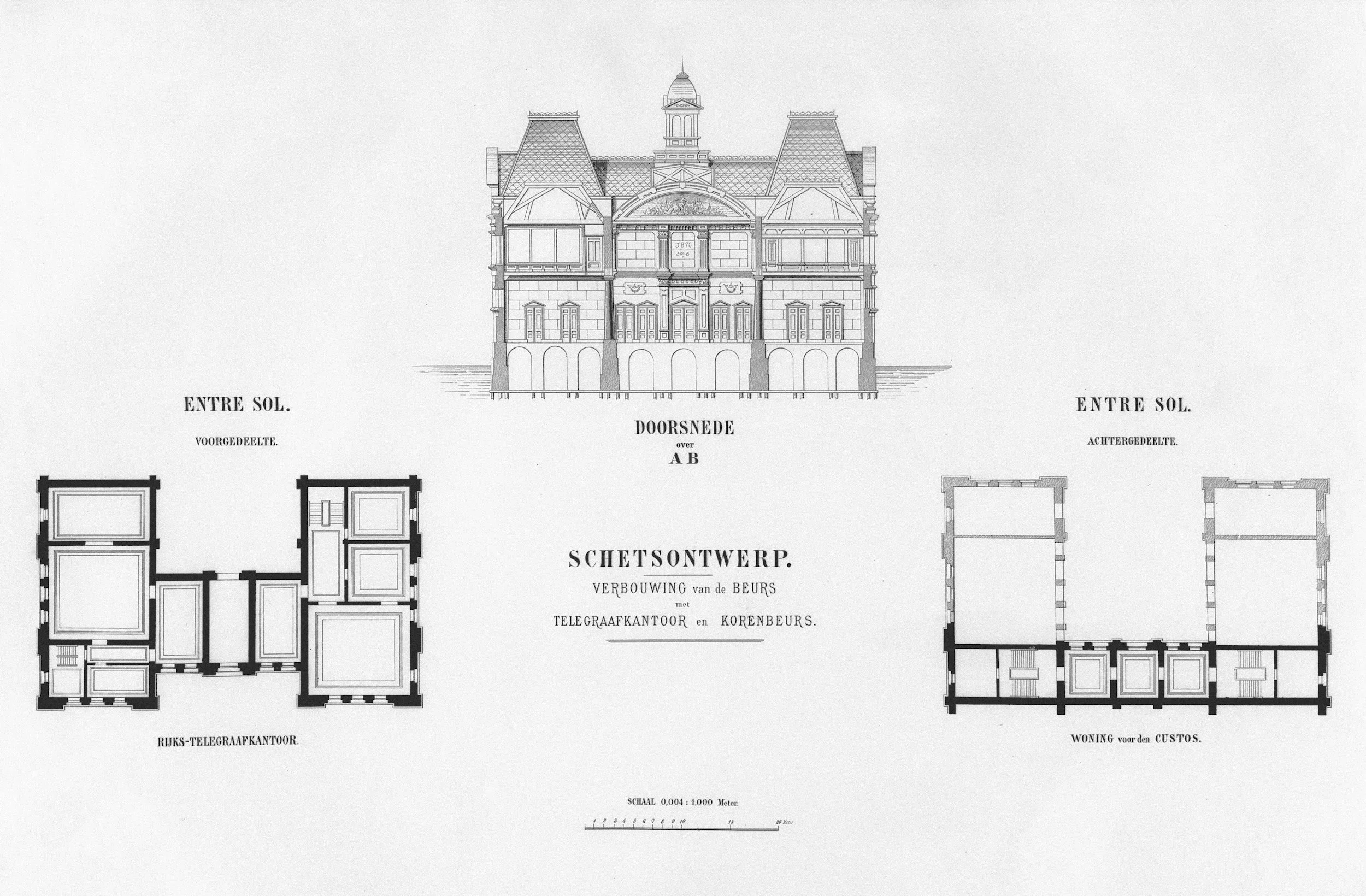
What a Builder Actually Looks for in a Set of Plans
Homeowners evaluate a floor plan like a photo. Builders read it looking for something different: whether it's complete, whether it's coordinated, and whether it will hold up when a framing crew shows up and needs to know where to start.
Homeowners evaluate a floor plan the way they'd evaluate a photo. Does the layout make sense? Are the rooms the right size? Does the kitchen connect to the backyard the way they want?
Those are reasonable questions. They're just not the questions a builder asks.
A builder reads a plan set looking for something different: whether it's complete, whether it's coordinated, and whether it will hold up when a framing crew shows up at 7 a.m. and needs to know exactly where to start. The answer to those questions determines whether a project runs clean or generates problems from the first day of construction.
What "Complete" Actually Means
A residential plan set has components: floor plans, foundation plan, roof plan, building sections, wall sections, exterior elevations, interior elevations for complex conditions, door and window schedules, structural notes, and details for anything that isn't self-evident from the floor plan.
Every one of those components answers a different set of questions. The floor plan tells you where rooms are. The section tells you how the building goes together vertically — ceiling heights, floor-to-floor dimensions, how the roof meets the wall. The details tell a framer or a finish carpenter exactly what a condition is supposed to look like in three dimensions.
When a component is missing, the builder has to make a decision. Sometimes that decision is correct. Often it isn't — not because the builder is careless, but because they're working from incomplete information. An assumption that turns out to be wrong in framing has to be corrected in drywall. A rough-in that goes in the wrong location has to be moved after the walls are closed.
Every one of those corrections costs money. None of them show up in the original bid.
The Coordination Problem
The most expensive failures in residential construction don't come from bad design. They come from design that doesn't talk to itself.
A residential home has three overlapping systems: the architecture (walls, floors, roofs, openings), the structure (beams, headers, posts, bearing conditions), and the mechanical (HVAC ducts, plumbing chases, electrical panels and runs). On a well-coordinated set of plans, these three systems have been reconciled. The structural beam that carries the load above the open kitchen is sized and located on the plans. The HVAC trunk line has a chase to run through. The plumbing stack doesn't land in the middle of a structural post.
On a poorly coordinated set, those conflicts exist on paper — and they get discovered on site.
A framer finds a beam location that conflicts with the duct layout. A plumber rough-ins a vent stack through a bearing wall. An electrician needs a panel location that wasn't accounted for in the floor plan. Each of these is a call to the designer, a delay while it gets resolved, and a change order once the solution is found. Multiply that by a half-dozen coordination failures on a single project and you've added weeks to the schedule and thousands of dollars to the cost.
The coordination work happens in the drawing set — or it happens on the job site at construction rates.
What Builders Look for When They First Open a Plan Set
Before a builder prices anything, they're scanning the drawings for answers to a short list of questions:
Is the foundation clear? Type, depth, bearing conditions. If it's a walkout or a daylight basement, are the grade conditions shown? Is the structural loading from above accounted for?
Are the ceiling heights called out? This affects framing, mechanical rough-in, door heights, and stair calculations. A plan that doesn't call out ceiling heights requires a phone call before framing starts.
Where do the beams go? Open floor plans require beam work. Flush beams, drop beams, ridge beam or ridge board — these structural decisions affect how the house gets framed and what the finish condition looks like. An experienced builder will figure it out. An inexperienced one will make a guess. Neither outcome should depend on what's not in the drawings.
Is there a window and door schedule? Not just openings on the floor plan — a schedule that lists unit sizes, rough opening dimensions, operation type, glazing specs, and hardware. Without this, a framer is sizing rough openings from the plan and hoping the unit the homeowner selects later fits.
What are the finish levels? This is where the Specification Outline earns its place. The drawings show what gets built. The spec tells a builder what standard they're building to — which determines their material and labor cost for every finish trade.
Why Plan Quality Is Invisible Until It Isn't
A homeowner buying a stock plan has no way to evaluate most of this. The floor plan looks right. The elevations look nice. The bedroom count is correct. None of that tells them whether the structural coordination is resolved, whether the section drawings are complete, or whether there's enough detail in the drawing set for a contractor to build from without calling the designer every week.
Plan quality is invisible right up until it isn't — and when it surfaces, it surfaces as a change order, a schedule delay, or a condition on site that nobody priced because nobody showed it in the drawings.
This is the gap between a plan drawn by a designer and a plan drawn by someone who has been on a job site when the plans didn't hold up. The former knows what looks correct on paper. The latter knows what a framing crew needs at 7 a.m.
Those two things are not always the same.
What This Means When You're Buying a Plan
You're not going to review the structural sections of a stock plan before you buy it. That's not a reasonable expectation.
What you can do is understand who drew it and what experience is behind it. Has the designer managed construction? Have they sat in a meeting where a contractor is pointing at a drawing and asking a question that shouldn't need to be asked? Do they understand what a plan set is actually for — not just as a design document, but as a construction document?
A plan drawn by someone with that background is a different tool than one drawn without it. It coordinates. It answers questions before they get asked. It doesn't generate change orders from its own omissions.
That's the plan a builder wants to work from. It's also the plan a homeowner wants to buy.
Every RED Residential Design plan is drawn from experience on both sides of this — design and construction. The Specification Outline that comes with every plan answers the questions the drawings can't: what standard you're building to, what the contractor is pricing, and what you have the right to expect when they build it.

Why Great Design Starts With a Conversation, Not a Floor Plan
Most people come to a designer with a floor plan already in their head. That's not where good design starts. Good design starts with a conversation about how you live — and that conversation almost always changes the floor plan they came in with.
Most people come to a designer with a floor plan already in their head. A room arrangement from a house they toured. A collection of spaces they’ve been assembling for years. They want someone to draw it.
Thirty years in, I still won’t start from someone else’s floor plan. Not a magazine layout, not a plan you found online. Partly because copyright matters. Mostly because those plans weren’t designed around how you live — and that’s the whole point.
That’s not where good design starts.
Good design starts with a conversation about how you live — and that conversation almost always changes the floor plan they came in with.
The Bubble Diagram
Before I draw a single wall, I doodle. Circles and arrows, room relationships mapped loosely on paper, no dimensions, no commitment. It's called a bubble diagram and it looks like nothing — until it starts to reveal something.
The exercise isn't about aesthetics. It's about logic. Where does the kitchen need to be relative to the garage, because that's where groceries come in? Does the primary bedroom need separation from the kids' rooms, or proximity? Where does the mudroom land so it actually intercepts the family before they track through the house? These relationships determine whether a home functions well long before the walls get drawn. Get them wrong in the bubble diagram and you're correcting them in the construction documents — which is a much more expensive conversation.
The Program — Your Room List With Context
From the bubble diagram comes the program: a structured list of every space in the home, sized and described. Not just "three bedrooms" but what those bedrooms need to do. Not just "kitchen" but how the kitchen connects to the outdoor living space, whether it needs an island that seats four, whether the character is open and bright or warm and contained.
The program is where a home gets its personality before it gets its dimensions.
It's also where budget enters the picture. Once every room has an estimated square footage, I can price the program against what construction actually costs. If the total doesn't align with what a client can spend, we adjust the list — right there, before anything gets drawn. A room list is easy to edit. A floor plan you've fallen in love with is not.
That sequencing — program first, design second — is the single biggest thing that separates a smooth design process from one that ends in disappointment.
The Questions That Change Everything
Some of the most impactful design decisions come out of simple questions nobody thinks to ask.
Could the laundry move upstairs, closer to the bedrooms where the dirty clothes actually live? That one change eliminates a daily trip up and down the stairs that most families make without thinking for the life of the house. Could a mudroom solve the chaos that happens every time someone comes through the back door? Are you planning for aging in place — because planning for aging in place now costs almost nothing — waiting until you need it costs a great deal more.
These aren't architectural questions. They're life questions. The answers shape a home that works better on day one and keeps working better for the next twenty years.
What This Means for Stock Plans
Even when someone buys a stock plan rather than hiring for custom design, the programming thinking is already in the work. Every plan in the RED Residential Design portfolio was developed with a specific household narrative in mind — a sense of who lives here, how they use the space, and what the home needs to do for them. That narrative lives in the design decisions: the room relationships, the traffic flow, the way private spaces are separated from social ones.
You may not have had the conversation with me directly. But the conversation happened before the plan was drawn.
And if you want to modify a plan to fit your life more precisely — move a wall, add a room, change a relationship — that's what custom changes are for.
Great homes don't start with square footage. They start with how you live. Every RED plan was designed with that conversation already in it — and custom changes are available when you need the plan to fit your life more precisely.

The Costs That Don't Show Up in a Construction Bid
Your contractor's bid covers what they build. Permits, utility connections, engineering, and loan fees come out of your pocket — most of it before ground breaks. Here's the full list and what to budget for it.
When you get a construction cost estimate, the number at the bottom isn't what you need to have in the bank. It's what the contractor is going to charge you to build the house.That's not the same thing.The difference has a name. Most homeowners have never heard it.
Hard Costs and Soft Costs
Hard costs are what a contractor builds: foundation, framing, mechanical rough-ins, finishes — everything that becomes the house. That's what a builder's bid covers. That's what a construction cost estimate covers.Soft costs are what it takes to get permission and financing to build it. They're your costs, not the contractor's. None of them show up in a builder's bid because no builder is responsible for them. All of them show up in your bank account, most of them before anyone breaks ground,
The List
Here's what typically falls into soft costs on a residential build:
Building permits. Municipalities calculate permit fees differently — some use a flat rate, others charge a percentage of construction value. On a $400,000 home, permit fees can run $3,000 to $8,000 or more depending on where you're building.
Utility connection fees. Water, sewer, gas — each utility may charge a tap or connection fee to bring service to the property. In some markets these are nominal. In others, especially in areas with new infrastructure or growth controls, they can run $10,000 to $20,000 combined. Find out before you commit to a lot.
Structural engineering review. Most municipalities require a licensed engineer to review and stamp structural drawings before a permit is issued. This is an owner cost. The contractor isn't the one paying for it.
Survey and site plan. If a current survey isn't on file — or if the lot conditions require an updated one — you'll need it before you can pull a permit. Add a site plan if your municipality requires one for submittal.
Geotechnical report. On acreage or in areas with variable soil conditions, a geotech report may be required before the foundation can be designed or permitted. Less common on a standard subdivision lot. More common on raw land.
Construction loan origination fees. If you're financing the build, the lender charges an origination fee — typically 1–2% of the loan amount. On a $400,000 construction loan, that's $4,000–$8,000 before the first draw is made.
Appraisal. Construction lenders require an appraisal of the completed home value before they'll fund the loan. That cost is yours, paid upfront.
Title insurance. Required by most lenders. Another cost that lands before construction starts.None of these line items appear in a contractor's bid. Every one of them hits your account.
The Builder Experience Tell
An experienced builder will walk you through soft costs in your first or second conversation. Not because they're responsible for them — they aren't — but because they've watched clients get caught short mid-project and they don't want that problem on their job.The builder who doesn't bring it up isn't necessarily hiding anything. It may just not be on their radar, which is itself useful information about how many projects they've run. Ask directly: "What should I be budgeting beyond your bid?" The answer, and how quickly it comes, tells you something.
The Planning Number
Budget soft costs at 10–15% of hard construction cost on top of your estimate. On a $400,000 build, that's $40,000–$60,000. Most of it is due before a contractor touches anything.When the RED cost estimator launches, it will cover construction scope — what the contractor builds. It's built to be accurate for what it covers. What it won't cover is this list. I'll say that clearly on the estimate output, but now you have the full picture before you get there.Both numbers need to be in your budget before you commit to either. The estimate tells you what it costs to build the home. This is what it costs to be allowed to build it.
Sources
BuildingAdvisor.com — Estimating Errors & Cost Overruns — soft cost omissions section. Inspired this post.
NAHB — permit fee data and construction loan cost benchmarks
National Construction Estimator (2026 edition) — Craftsman Book Company. Reference for soft cost categories in residential construction.

How to Read a Construction Bid
Most homeowners look at the bottom line and pick the lowest number. The builder who submitted that number usually knows exactly why it's low. Here's how to actually read what you've been handed.
Most people look at the bottom line and pick the lowest number. I understand why — the bid is a long document, the numbers are unfamiliar, and the instinct is to treat construction like any other purchase where cheaper is cheaper.
It isn't. And the builder who submitted the low number usually knows exactly why it's low.
Here's how to actually read what you've been handed.
The Bid Is a Scope Document
Before you look at a single dollar amount, read the bid for what it says is included. A construction bid isn't just a price — it's a description of what the contractor is agreeing to build, to what standard, with what materials.
Two bids for the same floor plan can differ by $80,000 and both be legitimate — if one includes site grading, a full landscaping package, and finished garage walls, and the other doesn't. The lower number isn't wrong. It's just a different scope.
This is why the first step in comparing bids isn't math — it's reading. Go through each proposal and mark what's explicitly included, what's explicitly excluded, and what isn't mentioned at all.
The things that aren't mentioned are the ones that will cost you.
The Structure of a Bid
A complete residential construction bid should cover the major phases of construction. You don't need to know every line item, but you should be able to find these categories:
Site work — clearing, grading, excavation. On a subdivision lot, some of this may already be done by the developer. On acreage, it can be a significant cost. If it's not in the bid, it's not in the price.
Foundation — type (slab, crawl, basement), dimensions, waterproofing. Foundation numbers vary more than most people expect. A 9-foot poured wall costs more than an 8-foot wall. If the plan calls for 9 feet and the bid prices 8, that's not an error — it's a scope decision.
Framing — labor and material for rough carpentry. This is typically 15–20% of total project cost. Lumber prices move. An estimate that doesn't reference when it was priced is a number that may not hold.
Exterior envelope — roofing, siding, windows, exterior doors. Window and door specifications have enormous cost range. If the bid uses an allowance here rather than specifying what's included, read the next section carefully.
Mechanical rough-ins — plumbing, HVAC, electrical. These are often line items without much detail in a bid. What matters is that they're present and that the scope matches what the plan requires.
Finishes — flooring, tile, cabinets, counter tops, paint, trim. This is where allowances do the most damage. More on that below.
Overhead and profit — every legitimate contractor has this as a line item or built into their rates. If a bid has no visible margin, either it's buried somewhere or it isn't there — and if it isn't there, the number isn't real.
The Allowance Problem
An allowance is a placeholder. The contractor has included a dollar amount for a category — flooring, fixtures, appliances, cabinets — but hasn't specified what you're getting. You'll make the selection later and the final cost will be adjusted accordingly.
Allowances are legitimate. They're also the single most common way a bid looks competitive and isn't.
A builder who wants to win your business has every incentive to set allowances low. A $3,000 flooring allowance sounds reasonable until you learn it covers about 400 square feet of builder-grade LVP — and your home is 2,200 square feet. A $2,500 appliance allowance buys you a range and a refrigerator with nothing left for a dishwasher or microwave. A $15,000 cabinet allowance disappears fast in a kitchen with an island and a full pantry wall.
When you're comparing bids, don't compare allowance amounts — compare what those allowances are supposed to cover. The right question isn't "did they include a flooring allowance?" It's "is this allowance enough to actually buy what I want?"
If you have a Specification Outline that describes finish levels, this comparison becomes straightforward. Without one, you're guessing.
What a Missing Line Item Means
When a line item is absent from a bid, there are two possibilities: the contractor forgot it, or they didn't include it on purpose to keep the number down. The former is a mistake. The latter is a strategy.
Either way, the work still has to get done. The cost that isn't in the bid will come back as a change order — after you've signed the contract, after you've committed. Change orders are priced at the contractor's discretion, without the competitive pressure of the original bid process. It's the most expensive way to buy anything in construction.
Walk through your Specification Outline line by line against each bid. If your spec calls for spray foam insulation in the attic and the bid says "insulation per code" without specifying type, that's a gap worth resolving before you sign anything.
What No Bid Will Cover
There's a third category beyond scope omissions and low allowances — costs that won't appear in any builder's bid, from any builder, no matter how thorough or experienced. These are yours to carry. The contractor isn't leaving them out; they were never his to include.
Soft costs — building permits, utility connection fees, structural engineering review, survey, construction loan origination, appraisal — are owner costs. Most of them hit your bank account before a contractor touches anything. An experienced builder will walk you through these in an early conversation, not because they're responsible for them, but because a client who isn't budgeted for them creates problems mid-project. The builder who doesn't bring it up isn't necessarily doing anything wrong — it's still worth asking directly.
A reasonable planning number is 10–15% of hard construction cost on top of the bid total. I'm writing more on this separately — the full list is longer than most people expect. For now, the working principle is this: the bid tells you what it costs to build the home. Soft costs are what it costs to be allowed to build it. Both numbers need to be in the bank before you sign anything.
How to Use Your Cost Estimate
If you walked into this process with an independent cost estimate, now is when it pays off.
You're not using it to catch the builder in a lie. You're using it as a frame of reference — a way to ask intelligent questions when a number looks off.
If a framing number is significantly under what lumber pricing supports, ask why. If a foundation cost looks high relative to the plan dimensions, ask what they've included. If two bids have $40,000 between them on the same line item, ask both contractors to walk you through their scope for that trade.
Informed questions get real answers. "Why is your framing number $15,000 lower than the other bids?" is a question a prepared client asks. An unprepared one just picks the lower number and finds out later.
The Goal: Three to Five Bids You Can Actually Compare
After you've read for scope, worked through the allowances, and flagged missing line items, you're ready to compare numbers — on equal footing. That usually means going back to one or two contractors with clarifying questions before you can make a real comparison.
That follow-up conversation is not a negotiation. It's due diligence. Every contractor who's been in business more than a few years has had it, and the ones worth working with will answer directly.
The goal isn't the lowest number. It's the most accurate picture of what your home is going to cost to build — from someone who's actually committed to building it the way you want it built.
Consumerreports.org - Home Renovation Without Aggravation BuildingAdvisor.com - ESTIMATING ERRORS & COST OVERRUNS
At RED Residential Design, every stock plan comes with a Specification Outline that tells each builder exactly what they're pricing — so your bids reflect the same scope and you can compare what's actually different. A construction cost estimate is available at checkout. Walk in with both.

Why Every Stock Plan Should Come With a Cost Estimate
You hand your floor plan to three builders and get three bids — sometimes different by six figures. You have no idea which is honest, which is padded, and which cut corners to win your business. It doesn't have to work that way.
You found a floor plan you love. The layout works. The square footage is right. You buy it, hand it to three builders, and ask for bids.
The numbers come back and they're all different — sometimes by six figures. One builder has a foundation number that seems high. Another's framing cost is vague. A third has a line item you don't recognize. You have no idea which bid is honest, which is padded, and which one cut corners to win your business.
This is the situation most plan buyers walk into. It doesn't have to be.
The Specification Outline Is Your First Line of Defense
Every plan sold through RED Residential Design comes with a Specification Outline — a plain-language document that describes the construction intent behind every major system in the home. Foundation type. Framing method. Insulation values. Door and window specifications. Finish levels.
Think of it as a translation layer between your floor plan and the contractors bidding it. It tells each builder exactly what they're pricing, so you're comparing apples to apples instead of guessing why one bid is $40,000 higher than another.
It's also the document that holds a builder accountable once construction starts. If they bid a 9-foot poured concrete foundation wall and show up to pour 8 feet, you have something to point to.
The Cost Estimate Is the Upgrade That Changes the Conversation
The Specification Outline tells builders what to build. The cost estimate tells you what it should cost — before you ever sit down with a contractor.
The estimator behind our cost estimates covers every CSI MasterFormat division relevant to residential construction: site work, concrete, masonry, framing, exterior envelope, doors and windows, finishes, appliances, plumbing, HVAC, and electrical. Material costs are sourced from the 2026 National Construction Estimator with labor rates adjusted for the Omaha market. Lumber pricing is locked in at the time the estimate is generated — so the number you get reflects what lumber actually costs today, not six months from now when the index moves.
That last detail matters more than it sounds. Framing is 15 to 20 percent of total project cost. Lumber commodity prices move every quarter. An estimate that doesn't account for that is a guess dressed up as a number.
What You Actually Do With It
You don't show the contractor your estimate. You hold it.
Share the floor plans and the Specification Outline. Ask each builder to present their own estimate and scope of work. Then compare what they give you against what you know the work should cost.
If a foundation number looks high, you can ask why — with confidence, not just instinct. If a framing bid is significantly under what the lumber index supports, that's a conversation worth having before the concrete is poured. The estimate doesn't make you an expert. It makes you an informed client, which is the next best thing.
Why Most Plan Services Don't Do This
Building a legitimate cost estimator is hard. It requires understanding construction well enough to know what questions to ask, what data sources to trust, and where the numbers break down by region. Most residential plan designers have never read a subcontractor bid or walked a framing inspection. The gap between drawing a home and knowing what it costs to build one is wider than most people realize.
Thirty years across residential design, commercial estimating, and project management is what made this tool possible — and what makes it worth trusting.
Walking into a bid conversation informed changes everything. That's what the Specification Outline and Cost Estimate are built to do — every RED plan includes one, and the other is available at checkout.

How I Built a Construction Cost Estimator with AI — And What I Learned Along the Way
I had thirty years of construction experience, a head full of knowledge, and an understanding of Excel that amounted to =sum(a+b). That was my starting point for building a professional cost estimator from scratch — with AI as my collaborator.
I'm going to be straight with you. On January 24th, 2026 I made a decision that scared me a little. I was going to build a professional construction cost estimator — from scratch — using AI. I had thirty years of residential design and estimating experience, a head full of construction knowledge, and a basic understanding of Excel that amounted to =sum(a+b). That was my starting point.
The goal was straightforward enough. I've been collecting preliminary sketches for 25 years. I wanted to turn them into stock plans for sale — a portfolio, a passive income stream, a way to position myself with builders and homebuyers. But I didn't want to sell just a floor plan. I wanted to give buyers something the other plan services don't: a Specification Outline that tells your contractor exactly what to build, and a cost estimate that gives you the confidence to sit across the table from a builder and ask the right questions.
To do that, I needed the estimator first.
Hiring an AI I'd Never Met
Three days before I committed to the project, I read an article about Claude Code. I decided to hire it. That's genuinely how I thought about it — hiring a collaborator with skills I didn't have. I'd been using AI in Notion for construction project notes, so I wasn't starting from zero. But working in a terminal with Python scripts and bash commands? That was new territory.
What I found is that the learning curve isn't really about the technology. It's about communication. The clearer you can describe what you want — and what you don't want — the better the output. That's no different from giving a set of redlines to a draftsman. The tool changes. The discipline doesn't.
The Two-Week Mind Dump
Here's where I'll save you some time if you're considering something similar: I spent two weeks doing a complete mind dump of everything the estimator needed to be. Every question I could think of. Every data source. Every trade, every material, every labor rate.
It was too much. I got distracted by details that didn't need to be solved on day one — lumber index extraction, assembly pricing, door and window schedules, plumbing fixture databases. I approached it the same way I approach a floor plan: the whole vision in my head at once, trying to make sure it was practical and buildable before committing.
That instinct isn't wrong. But for building software, it muddied the water. The better approach, which I figured out around week three, is to break it into smaller parts and solve one problem at a time. Obvious advice. Hard to follow when you can see the whole thing clearly in your head.
What It Looks Like Now
Four weeks in, the estimator is something I'm genuinely proud of. It covers every CSI MasterFormat division relevant to residential construction — concrete, framing, exterior, doors and windows, finishes, appliances, plumbing, HVAC, electrical. It pulls from the 2026 National Construction Estimator with Omaha-area labor adjustments. It has cascading dropdown schedules for doors, windows, plumbing fixtures, and electrical. It locks in lumber commodity pricing at the time of creation so an estimate built in March doesn't recalculate when lumber spikes in September.
That last detail matters more than it sounds. A bid is a snapshot. The tool treats it like one.
One Thing Nobody Tells You About Working With AI
I noticed something around the second week that genuinely made me laugh. I've spent thirty years in construction and design, and I've always had to be conscious of how I deliver criticism. I'm direct. I don't keep it fluffy. But I caught myself softening my feedback to the AI — trying not to insult it.
That passed quickly. The right move is to be direct, specific, and honest about what's not working. When I did that, the responses got better. It pushed back with clarifying questions, which led to better solutions than I'd originally asked for. That dynamic — direct feedback leading to better outcomes — is exactly how good design collaboration works. Turns out it applies here too.
What's Next
The estimator gets tested with area builders before it goes anywhere near a customer. That's non-negotiable. Pricing needs to hold up against real bids from people who build in this market every day. Once it does, it becomes the add-on that turns a stock plan purchase into something a homebuyer can actually use.
The first plan is in development. More on that soon.
*The estimator is the foundation. The plans are what it's built to support. If you want to know what a home will actually cost before you commit — that's exactly what RED is building toward. Specification Outline included with every plan. Construction Cost Estimate available at checkout.*

Kill Your Ego of Square Footage
Square footage is a status number — not a design number. Every square foot you add costs money to build and money to maintain, and that money comes from somewhere. Usually your finishes.
I've been designing homes for thirty years. Not one of them have I been able to afford.
The harder pill to swallow: not one of my clients has ever asked me about that. In thirty years of conversations about dream homes, budgets, finishes, and floor plans — nobody thought to ask the designer whether he could build what he was drawing. Over the last six years, the gap between what I design and what I can afford has doubled.
I'm not telling you that for sympathy. I'm telling you because it shaped a philosophy I bring to every project, and I think it's worth saying out loud.
The Number That's Costing You
Square footage is the first number everyone fixates on. It shows up in listings, in conversations with builders, in the way people describe their dream home at a dinner party. "We're thinking 2,800 square feet." It's a status number as much as a functional one.
Here's what that number doesn't tell you: what you're giving up to get it.
Every square foot you add to a home costs money to build and money to maintain — and that money has to come from somewhere. Most of the time, it comes from your finishes. The countertops get value-engineered. The windows drop a tier. The trim package gets simplified. The flooring that made you fall in love with the model home quietly disappears from your contract. You end up with a large home that feels like a compromise from the day you move in.
That's house poor. And it's one of the most common outcomes in new construction.
Live in Rooms That Fit Your Life
The alternative isn't a small house. It's a right-sized house — one where every room earns its square footage because it was designed around how you actually live, not how much space you think you should have.
When I start a design, I build a program first. A list of rooms, yes — but more than that. A description of how each space needs to feel and function. The mudroom that has to handle four kids and a dog. The kitchen that needs to connect to the backyard because that's where summers happen. The primary bedroom that's a retreat, not just a place to sleep. Those descriptions shape a home that fits a life. Square footage is the result of that process, not the starting point.
When I price that program against a client's budget and the numbers don't align, we adjust the list — before anything gets drawn, before anyone gets attached. It's a much easier conversation to have over a room list than over a floor plan you've already fallen in love with.
What the Budget Freed Up Actually Buys
Spend less on floor space and your budget goes somewhere better: the finishes you'll touch and see every single day. Hardwood instead of LVP. Quartz instead of laminate. A tile shower that doesn't look like a builder special. Windows that actually perform in a Nebraska winter. A kitchen that functions the way a kitchen should.
Those are the things that make a home feel like yours ten years after you move in. Square footage just makes it feel big on the day of the open house. It's not just a philosophy — more than half of buyers say they'd trade square footage for better products and finishes if given the choice.
The Philosophy in Practice
I realize there's an irony in a residential designer arguing against square footage. But the piece I can control is helping clients make smarter decisions about where their money goes — and the smartest decision most of them can make is to build less house and finish it better.
That philosophy is baked into every plan at RED Residential Design. The layouts are efficient by intent. The room relationships are thought through. Nothing is sized to impress on a spec sheet. Everything is sized to work for the people living in it.
Your budget is finite. Spend it on quality, not square footage.
*If you're ready to stop sizing for the spec sheet and start designing for your life — that's exactly what RED plans are built to do. Specification Outline included with every plan. Construction Cost Estimate available at checkout.*

Why I'm Building Stock Plans After 30 Years of Designing Homes
Homeowners fall in love with square footage and end up house poor. Builders work from plans drawn by designers who've never walked a job site. Thirty years on both sides of that problem — here's what I'm building.
I drew my first house plan by hand in 1992. No CAD. No software. Just pencil, paper, and a drafting table at Design Basics in Omaha. I was one of their first CAD draftsmen when the technology came along, and I helped build standards that are still in use today.
Thirty years later — custom homes, commercial estimates, project management, groundbreaking to close-out — I've seen the same problems come up over and over.
Homeowners fall in love with square footage and end up house poor. They stretch to afford the size and then can't afford the cabinets, countertops, and finishes that actually make it feel like home. Builders work with plans drawn by designers who've never priced a wall or managed a schedule. And the gap between what a plan promises and what it costs to build keeps catching people off guard.
That's why I'm launching RED Residential Design.
Stock Plans, Built by Someone Who Knows What Things Cost
I'm not coming at this from a design-only background. I've spent years as a construction estimator and project manager. I've priced drywall, insulation, steel studs, acoustical ceilings — every line item that turns a drawing into a building. That experience changes how you design.
When I draw a plan, I'm thinking about framing efficiency — where mechanical chases run, whether the layout creates unnecessary waste in materials or labor. These aren't things most plan designers think about, because most plan designers haven't sat in a trailer doing takeoffs or walked a job site reviewing change orders.
I have. And that's what makes these plans different.
Custom Changes Welcome
A stock plan is a starting point — and a good one. But every family lives differently, every lot has its own constraints, and every budget has its limits. Custom changes are part of the deal.
Want to flip the layout? Add a bedroom? Adjust the garage for your lot? That's exactly what I've been doing for builders and homeowners for three decades. The stock plan gets you 80% there. The custom changes make it yours.
What's Already Built
Before the first plan was finished, I built three tools to support it.
A Design Matrix for preliminary programming — a structured way to work through what a client actually needs before design starts. A Specification Outline that comes with every plan — your road map for interviewing builders and comparing bids on equal footing. And a Construction Cost Estimator — not a ballpark, not a per-square-foot guess, but an actual estimate backed by current construction data.
The plans are in development now. The infrastructure to support them is already done.
If you're a builder or homeowner who's tired of the disconnect between design and cost — stick around. This is being built for you.